

Introduction
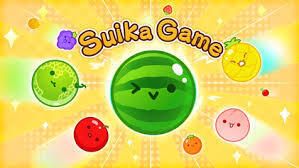
There’s something oddly satisfying about a puzzle game that looks simple, feels cozy, and then quietly turns into a brain-teasing balancing act. Watermelon-style merge puzzles hit that sweet spot: you drop cute fruit into a container, combine matching pieces, and try not to overflow. The most recognizable example of this idea is Suika Game, which helped popularize the “merge fruit into bigger fruit” formula and inspired a lot of similar games.
If you’ve ever wanted a puzzle that’s easy to start, tough to master, and fun to watch unfold, this is a great place to begin. Below is a practical, friendly walkthrough of how to play, what makes it interesting, and how to get better without turning it into homework.
Gameplay: How the Watermelon Puzzle Works
At its core, the watermelon merge puzzle is built on three ideas: gravity, matching, and space management.
1) The basic goal
You drop fruits one by one into a box (or jar). When two identical fruits touch, they merge into the next larger fruit. Keep merging and you’ll eventually create the biggest fruit in the chain—often a watermelon—while trying to keep the pile from reaching the top.
2) The key twist: physics matters
Unlike a typical match-3 grid, the fruits aren’t locked into neat squares. They roll, bounce, wedge into corners, and sometimes do exactly the opposite of what you expected. That physics-driven messiness is where the fun comes from. Every drop is a small prediction puzzle:
• Will the fruit settle where you want?
• Will it nudge another piece into a merge?
• Will it create an unstable stack that collapses later?
3) One move affects the next ten
A good watermelon puzzle rewards planning, but it also rewards adapting. You might place a fruit intending to merge it soon, only to realize that a different merge is now possible—or that you’ve accidentally created a dangerous tower. It’s a game of gentle improvisation.
4) Why it feels “interesting” instead of repetitive
Even though the rules are straightforward, each round becomes its own little story because:
• The order of upcoming fruits changes your strategy.
• Physics interactions create unexpected chain reactions.
• Small mistakes compound, but clever merges can rescue you.
• There’s always tension between “merge now” and “set up later.”
In Suika Game, the charm is in that constant balancing act: tidy enough to be relaxing, chaotic enough to stay exciting.
Tips: How to Survive Longer and Merge Smarter
You don’t need advanced techniques to enjoy this kind of puzzle, but a few habits can make the experience smoother and more satisfying.
1) Keep the center low and the sides useful
A common beginner mistake is building a tall pile in the middle. That’s risky because it limits where future drops can go. Try to keep the center relatively low and use the sides to “park” fruits temporarily. Think of the container as having zones: a working area and a storage area.
2) Avoid “single-fruit towers”
If you stack pieces into a narrow column, it becomes unstable and hard to fix. Wide, flatter shapes are safer. When in doubt, spread the pile out rather than building upward.
3) Place with future merges in mind, not just immediate merges
Merging is good, but merging at the wrong time can make bigger fruits appear in awkward places. Sometimes it’s better to delay a merge so the resulting larger fruit forms where you actually want it. Ask yourself:
• If these two merge, where will the new fruit roll?
• Will it block a key space?
• Will it create a giant piece too early that I can’t manage?
4) Treat big fruits like boulders
Larger fruits are harder to move once they settle. If a big one lands in a bad spot, it can ruin your flexibility. Try to guide larger merges toward stable, low-risk positions (often closer to the bottom and not perched on uneven stacks).
5) Use small fruits to “shim” and stabilize
Tiny fruits aren’t just filler. They can act like wedges that reduce rolling or help align two identical fruits. If the pile is wobbling, placing a small fruit to fill a gap can prevent future slides.
6) Watch for chain reactions—and don’t fear them
Sometimes the best moments come from a cascade: one merge triggers another, which shifts the pile, which creates a new match. You can encourage this by keeping similar fruits near each other and avoiding barriers that split the container into isolated sections.
7) Make peace with imperfect drops
Physics puzzle games can feel unfair when a fruit bounces “wrong.” But that unpredictability is part of the design. Instead of aiming for perfect control, aim for recoverable positions—setups where a slightly off drop won’t immediately end your run.
8) Reset your plan every few moves
A simple mental trick: every 3–5 drops, pause and reassess. What’s the most dangerous area right now—left, right, or center? What fruit do you most want to create next? This keeps you from



Top comments (0)