
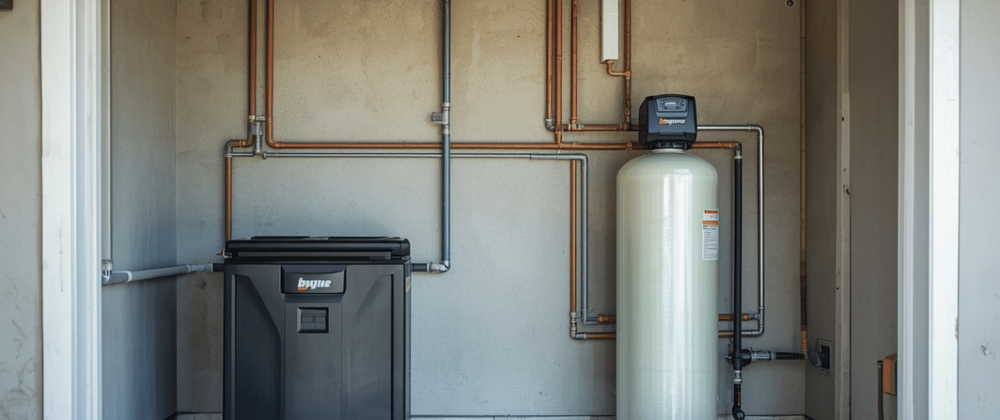

A water heater is one of those appliances you never think about until the shower runs cold. When it acts up, though, the symptoms usually point to a specific, identifiable problem, and knowing what they mean helps you decide what you can handle and when to call a professional. Here are the most common water heater problems, what causes them, and how they get fixed, so a cold shower does not turn into a guessing game.
*No hot water at all
*
This is the most alarming symptom and often the simplest. On an electric water heater, the usual causes are a tripped circuit breaker, a failed heating element, or a bad thermostat. Start by checking the breaker, if it has tripped, reset it, and if it trips again, that points to an electrical fault that needs a professional. On a gas water heater, no hot water usually means the pilot light has gone out or the thermocouple, the safety sensor that keeps the gas flowing, has failed. Relighting the pilot may solve it, but a pilot that will not stay lit typically means a thermocouple replacement.
*Not enough hot water
*
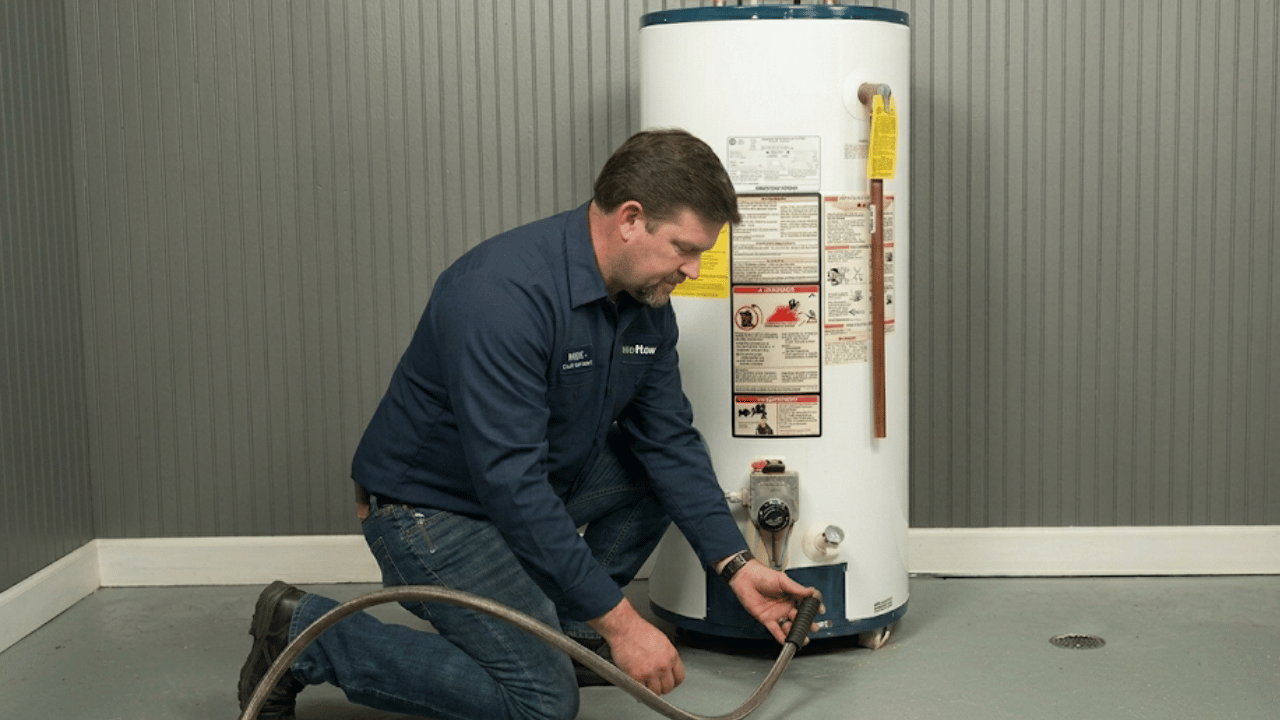
If you get hot water but run out fast, a few things could be at play. The tank may simply be undersized for your household. More often, sediment has built up in the bottom of the tank, taking up space that should hold hot water and insulating the burner from the water. A failing heating element or thermostat can also cut your capacity, and a broken dip tube can let cold water mix in at the top. Flushing the tank often restores lost capacity, while element or thermostat issues call for a repair. Our guide covers these in more depth under [hot water heater repair](https://nuflowdfw.com/hot-water-heater-repair/
 ).
*Water that is too hot
*
Scalding water is usually a simple thermostat setting. Most water heaters should be set around 120 degrees Fahrenheit, which is hot enough for household needs, safe against scalding, and easier on the tank and your energy bill. If your water is dangerously hot, lower the thermostat. If it stays too hot even at a low setting, the thermostat itself may be faulty and need replacing.
*Discolored or rusty water
*
Brown, yellow, or rusty hot water points to one of two things: sediment stirred up in the tank, or rust from the tank corroding. The anode rod inside the tank is designed to corrode in place of the steel tank, protecting it, and when that rod is used up, the tank itself starts to rust. Flushing the tank clears sediment, and replacing a spent anode rod can extend the tank's life, but rusty water that keeps returning often means the tank is nearing the end.
*Smelly, rotten-egg water
*
A sulfur or rotten-egg smell in your hot water is usually caused by bacteria reacting with the anode rod, especially in water with certain minerals. Flushing the tank, sanitizing it, and switching to a different type of anode rod, such as aluminum or zinc, typically solves the odor. It is unpleasant but usually not dangerous, and it is a fixable problem rather than a reason to replace the heater.
*Leaks
*
A leaking water heater needs prompt attention, and where it leaks matters. Water from the temperature and pressure relief valve, the T and P valve, may mean the valve is doing its job by releasing excess pressure, or that it is faulty, either way it is a safety component worth checking. A drip from the drain valve at the bottom is often a simple fix. But water pooling from the tank itself, from a crack or corrosion, cannot be repaired, a leaking tank means replacement. Catching a leak early can prevent water damage to the surrounding area.
*Popping or rumbling noises
*
If your water heater makes popping, rumbling, or cracking sounds, sediment has built up on the bottom of the tank. Water gets trapped under the sediment layer, and as it heats and escapes, it makes noise. Beyond the sound, that sediment forces the heater to work harder, wastes energy, and shortens the tank's life. Flushing the tank usually quiets it and restores efficiency.
*Maintenance that prevents most of these
*
Most water heater problems trace back to neglected maintenance, and a little care goes a long way. Flushing the tank once a year clears the sediment behind noise, rusty water, and lost capacity. Checking the anode rod every couple of years and replacing it when it is spent can add years to the tank's life. Testing the T and P valve confirms your safety valve works. And keeping the temperature around 120 degrees protects the tank and prevents scalding.
*Repair or replace, and a safety note
*
Age is the deciding factor. Most tank water heaters last eight to twelve years, and a unit past that with a major problem, especially a leaking tank, is usually better replaced than repaired. On safety, treat gas and electricity with respect: if you smell gas, leave and call a professional, and leave major electrical or gas component repairs to a licensed plumber. The T and P valve in particular is a safety device that should never be capped or ignored.
*The bottom line
*
Most water heater troubles come down to a handful of causes: electrical or pilot issues behind no hot water, sediment behind noise and lost capacity, a spent anode rod behind rusty or smelly water, and age behind leaks. Regular flushing and anode checks prevent much of it, and knowing the symptoms tells you whether it is a quick fix or a call for a professional, especially once a tank starts leaking.
Nuflow DFW is a licensed Plano plumber (RMP# 46694) serving the Dallas-Fort Worth Metroplex, with 24/7 availability. If your water heater is leaking or not heating, call (469) 701-0597 for a repair or honest replacement advice.



Top comments (0)