


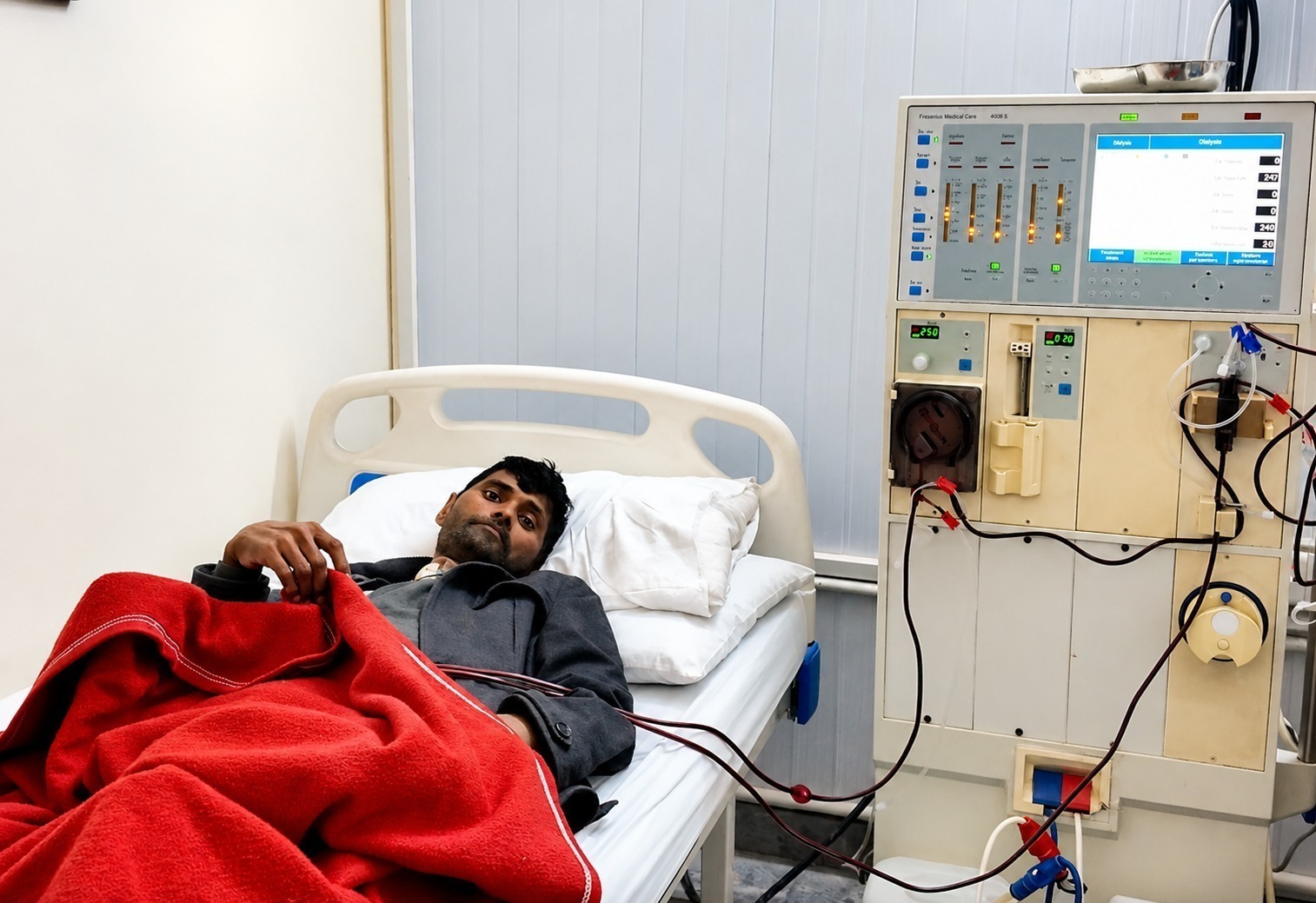
Living with kidney disease can bring significant changes to a person's health, routine, and family life. When kidney function declines, patients and families often begin asking what is dialysis and whether this treatment may become necessary. Dialysis is a medical procedure that performs some of the kidneys' filtering functions when they can no longer remove enough waste products and excess fluid from the blood. Understanding the treatment process, disease progression, and available healthcare options can help patients make informed decisions about their long-term health.
Chronic kidney disease (CKD) does not always produce noticeable symptoms during its early stages. Many individuals discover the condition through routine blood tests or investigations for diabetes and hypertension. With appropriate monitoring, medical guidance, and timely intervention, patients can make informed decisions about their treatment and improve their overall quality of life.
Understanding the Different Stages of Kidney Disease
Chronic kidney disease is generally classified into five stages according to estimated glomerular filtration rate (eGFR), alongside evidence of kidney damage and other clinical findings.
The eGFR test estimates how efficiently the kidneys filter waste products from the blood.
CKD Stage
eGFR (mL/min/1.73 m²)
General Description
Stage 1
90 or higher
Normal or high filtration with evidence of kidney damage
Stage 2
60–89
Mildly reduced filtration with evidence of kidney damage
Stage 3a
45–59
Mild to moderate reduction
Stage 3b
30–44
Moderate to severe reduction
Stage 4
15–29
Severely reduced kidney function
Stage 5
Below 15
Kidney failure
These categories help healthcare professionals assess disease progression and plan appropriate care. An eGFR result alone does not establish the complete diagnosis. Urine albumin levels, medical history, imaging, and changes over time also matter.
Early Warning Signs That Should Not Be Ignored
Kidney disease can progress without obvious symptoms, particularly during its earlier stages. As kidney function declines, however, patients may experience changes that require medical assessment.
Common warning signs include:
Persistent swelling around the ankles, feet, or hands.
Unusual tiredness and reduced energy.
Changes in urination frequency or appearance.
Loss of appetite and nausea.
Difficulty concentrating.
Muscle cramps, particularly at night.
Shortness of breath caused by fluid accumulation or anemia.
These symptoms do not automatically indicate kidney disease. Other health conditions can produce similar problems. Persistent or unexplained symptoms should be evaluated by a qualified healthcare professional.
How Doctors Determine When Dialysis May Be Necessary
Dialysis is not automatically required when someone reaches a particular CKD stage. Nephrologists consider several clinical factors before recommending kidney replacement therapy.
These include:
Persistent uremic symptoms: Accumulation of waste products can cause nausea, vomiting, appetite loss, confusion, and other complications.
Fluid overload: When kidneys cannot remove excess fluid, patients may develop swelling or pulmonary edema.
Electrolyte disturbances: Severe potassium abnormalities can affect normal heart function and require urgent treatment.
Acid-base imbalance: Advanced kidney dysfunction can cause metabolic acidosis that may not respond adequately to medical management.
Overall health and quality of life: Doctors consider symptoms, laboratory findings, nutritional status, other medical conditions, and patient preferences.
Treatment decisions should involve the patient, nephrologist, and family where appropriate. Early discussions also provide time to understand available options rather than making decisions during a medical emergency.
Preparing for Long-Term Dialysis Treatment
Preparing for dialysis involves more than arranging regular appointments. Patients may need medical procedures, dietary adjustments, financial planning, and changes to their daily routines.
- Discuss Vascular Access Early
Patients planning hemodialysis may need an arteriovenous fistula. This involves connecting an artery to a vein, usually in the arm, to create suitable access for repeated treatments.
An AV fistula generally requires time to mature before it can be used. Planning ahead can reduce the likelihood of relying on temporary vascular catheters.
- Understand Your Treatment Schedule
Patients should understand how frequently treatment is required, how long sessions may last, and what happens if an appointment is missed.
Following the prescribed schedule is essential because skipped treatments can lead to dangerous fluid and electrolyte accumulation.
- Organize Medical Records
Keeping medical documents organized makes communication between healthcare professionals easier.
Important records may include:
Recent serum creatinine and eGFR results.
Urine albumin measurements.
Electrolyte reports.
Blood pressure records.
Medication lists.
Ultrasound or other imaging reports.
Previous hospital discharge summaries.
- Prepare Financially and Logistically
Long-term treatment can involve transportation, medicines, laboratory testing, consultations, and other expenses.
Families should explore available healthcare assistance programs, insurance coverage, charitable support, and treatment facilities before financial difficulties interrupt essential care.
Choosing a Reliable Dialysis Facility
Selecting an appropriate dialysis facility is an important decision for patients who need regular hemodialysis. Treatment quality depends on more than the availability of dialysis machines. Patients also need qualified medical professionals, infection-control procedures, properly maintained equipment, and continuous clinical monitoring.
Families comparing healthcare options should consider the following factors:
Important Factor
What to Look For
Medical supervision
Qualified nephrologists and trained clinical staff
Equipment
Properly maintained dialysis machines and dialyzers
Infection control
Hygiene, sterilization, and safe handling procedures
Water quality
Properly treated water for dialysis use
Patient monitoring
Regular assessment during treatment
Emergency readiness
Procedures for managing treatment complications
Accessibility
Convenient location and reliable treatment scheduling
Financial support
Transparent costs and available assistance programs
For families seeking affordable renal treatment, finding the best dialysis center in lahore involves evaluating both medical standards and the financial support available to eligible patients. A suitable facility should maintain safe treatment procedures, provide appropriate supervision, and communicate clearly about patient requirements.
Patients should also ask about available dialysis schedules, laboratory testing, emergency arrangements, and the services included in treatment costs. These questions can help families compare facilities and make decisions based on their actual healthcare needs.
Nutrition and Lifestyle Changes for Better Kidney Care
Dietary management is an important part of living with kidney disease. However, kidney-friendly nutrition is not the same for every patient.
Dietary requirements depend on disease stage, dialysis status, laboratory results, remaining kidney function, and other medical conditions.
Important Nutritional Considerations
Nutrient
Why It Matters
General Management
Sodium
Excess intake can increase blood pressure and fluid retention
Limit highly processed and salty foods
Potassium
High levels can affect heart rhythm
Adjust intake according to blood tests
Phosphorus
Accumulation can affect bones and blood vessels
Follow prescribed dietary restrictions
Protein
Supports tissue repair and muscle health
Individualize intake according to treatment
Fluids
Excess intake can cause swelling and breathing difficulties
Follow medical fluid recommendations
Patients receiving dialysis may have different protein and nutritional requirements from those who are not yet receiving kidney replacement therapy.
Regular consultations with a renal dietitian can help prevent nutritional deficiencies while managing relevant dietary restrictions.
Protecting Mental Health During Kidney Treatment
Chronic kidney disease can affect emotional well-being as much as physical health. Frequent hospital visits, uncertainty about the future, financial concerns, and changes in daily activities may create stress.
Some patients experience anxiety, depression, sleep disturbances, or social isolation.
Families can provide meaningful support by:
Accompanying patients to important medical appointments.
Helping organize medications and treatment schedules.
Encouraging realistic daily routines.
Supporting social interaction and physical activity when appropriate.
Listening to patients without dismissing their concerns.
Seeking professional mental health support when needed.
Healthcare providers should also consider psychological well-being as part of comprehensive kidney care.
Why Affordable Kidney Treatment Matters
Kidney failure can create substantial financial difficulties, particularly for families with limited incomes. Regular dialysis may involve treatment charges, laboratory tests, medications, transportation, and specialist consultations.
The cost of long-term care can affect a household's ability to continue treatment consistently. For some patients, charitable healthcare support can make an important difference.
Nonprofit healthcare organizations help address this challenge through free or subsidized dialysis, diagnostic assistance, prescribed medicines, and patient support programs.
Community donations, Zakat, Sadaqah, and corporate social responsibility initiatives can contribute to maintaining these services. Such support is especially valuable for patients who need repeated treatments over several years and cannot independently manage the associated expenses.
Improving access to affordable renal care is therefore not only a medical priority but also an important social responsibility.
Frequently Asked Questions (FAQs)
- Can chronic kidney disease be reversed?
Most forms of established chronic kidney disease cannot be completely reversed. However, appropriate treatment can slow progression, manage complications, and preserve remaining kidney function.
- Does every patient with Stage 5 kidney disease need dialysis immediately?
Not necessarily. The decision depends on symptoms, laboratory findings, fluid balance, electrolyte disturbances, and overall health. A nephrologist determines the appropriate timing of kidney replacement therapy.
- Can patients continue working while receiving dialysis?
Many patients continue working or studying while receiving dialysis. Their ability to maintain regular activities depends on treatment schedules, physical condition, workplace flexibility, and individual medical needs.
- What tests are important for monitoring kidney disease?
Common investigations include serum creatinine, eGFR, urine albumin-to-creatinine ratio (UACR), blood urea nitrogen, electrolytes, complete blood count, and kidney imaging when clinically indicated.
- Is drinking more water always beneficial for kidney patients?
No. Some patients benefit from adequate hydration, but those with advanced kidney disease or reduced urine output may require fluid restrictions. Fluid intake should follow individual medical advice.
- Can dialysis patients travel?
Many dialysis patients can travel with proper planning. They should coordinate treatment appointments at their destination, carry relevant medical records, and discuss travel arrangements with their healthcare team.
- What is the difference between dialysis and kidney transplantation?
Dialysis uses a machine or the peritoneal membrane to remove waste and excess fluid. Kidney transplantation involves surgically placing a donor kidney into the patient. Both are kidney replacement options, but transplantation requires eligibility assessment and lifelong follow-up.
Conclusion
Living with kidney disease requires consistent medical supervision, informed treatment decisions, and practical lifestyle adjustments. Early diagnosis, regular laboratory monitoring, appropriate nutrition, and timely specialist consultations can help patients manage their condition more effectively.
For individuals approaching advanced kidney disease, preparing for treatment before an emergency develops can make a meaningful difference. Accessible dialysis services, family involvement, and nonprofit healthcare support also help reduce the challenges associated with long-term renal care. With proper planning and continued medical guidance, patients can work toward better health management and an improved quality of life.



Top comments (0)